






Stormwater and the Stadium: How Carolina Became More Resilient and Sustainable
During the drought in 2002, it became clear that UNC-Chapel Hill would need to improve water conservation efforts on campus. In addition to viewing water conservation as a good business practice and good for the environment, Carolina also began to think of it as a means to make the University more resilient to drought and supply disruptions. In 2009 the University invested in the construction … Continue reading Stormwater and the Stadium: How Carolina Became More Resilient and Sustainable


Orange County Affordable Housing Summit
The Orange County Affordable Housing Coalition is hosting a summit to bring together elected officials, government staff, community organizations, and the public to have a conversation about affordable housing development in the county. The summit is planned for Friday, February 23rd from 10:00am to 1:30pm at St. Thomas More in Chapel Hill. The goal of the summit is to share the current state of affordable … Continue reading Orange County Affordable Housing Summit

Short-Term Rentals and Housing Affordability in Asheville, NC
What happens when a city’s economic growth and its affordability to residents are in competition? Last month, Asheville’s City Council voted to enact rules to slow the development of vacation rentals in its downtown area. The new rules come in the wake of the rapid conversion of housing into short-term rentals, which local leaders believe has complicated an increasingly expensive housing market. The development highlights … Continue reading Short-Term Rentals and Housing Affordability in Asheville, NC

Where does the UNC campus get its energy?
The Renewable Energy Special Projects Committee (RESPC) is a branch of student government that funds renewable energy projects on campus. The group is funded by the green fee, a $4 fee assessed on all UNC students. In November 2017, several RESPC members toured the UNC Co-Generation plant on West Cameron Street with Time Aucoin, the Regulatory Compliance Coordinator at the plant. Many students do not … Continue reading Where does the UNC campus get its energy?

Water resilience in the city
North Carolina has many water-related problems. To mention some: Droughts, pollution of streams and lakes, quantity and quality of drinking water. Additionally, the cities and communities in the state are particularly vulnerable to severe flooding, an increasing problem due to climate change effects. Severe rainstorms, limited run off capacity by streams and rivers, rising ocean levels, but also here and there missing links in urban … Continue reading Water resilience in the city

Transit Gets All the Flack When the Super Bowl Comes to Town
There are typical football games: large, crowded events with intoxicated tailgaters and truck advertisements galore. Then there is the Super Bowl: a high-security event attended by superstardom where the average ticket price runs in the thousands.1 This year’s Super Bowl, denoted by “LII”, is to be hosted in Minneapolis at the US Bank stadium on Sunday, February 4. It has also created logistical and publicity … Continue reading Transit Gets All the Flack When the Super Bowl Comes to Town

New Urbanist Memes for Transit-Oriented Teens
In 2016, a small group urban planning enthusiasts from across North America formed a Facebook group to provide for the dearth of urbanist memes of the internet. From humble beginnings, the New Urbanist Memes for Transit Oriented Teens (NUMTOT) group has grown to over 40,000 members from around the world. From posts seeking transit-oriented recommendations to philosophical debates about planning’s most complex issues, the group … Continue reading New Urbanist Memes for Transit-Oriented Teens
Using GIS to Visualize Displacement Risk in Durham
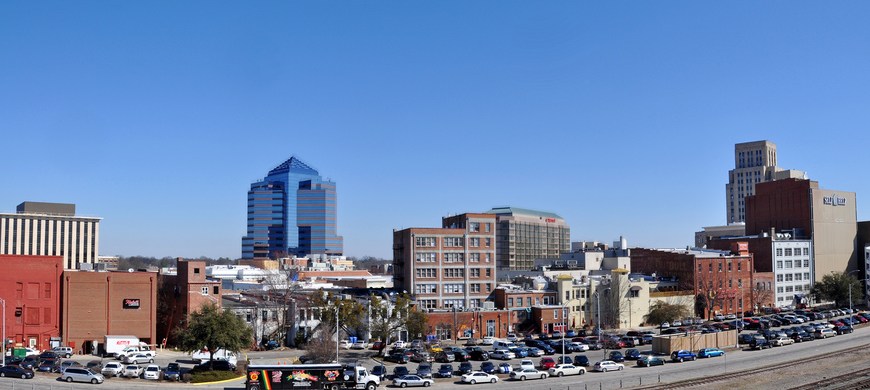
Every fall, groups of students in the Advanced GIS course at the University of North Carolina are tasked with creating a meaningful map using a variety of GIS-based tools acquired throughout the course. Inspired by recent city and county comprehensive plans and analyses, as well as rapid growth in nearby Durham, NC, one team of four UNC Department of City and Regional Planning (DCRP) master’s … Continue reading Using GIS to Visualize Displacement Risk in Durham
Piecing the Fragments Together: Approaches to Green Infrastructure Implementation In Cities
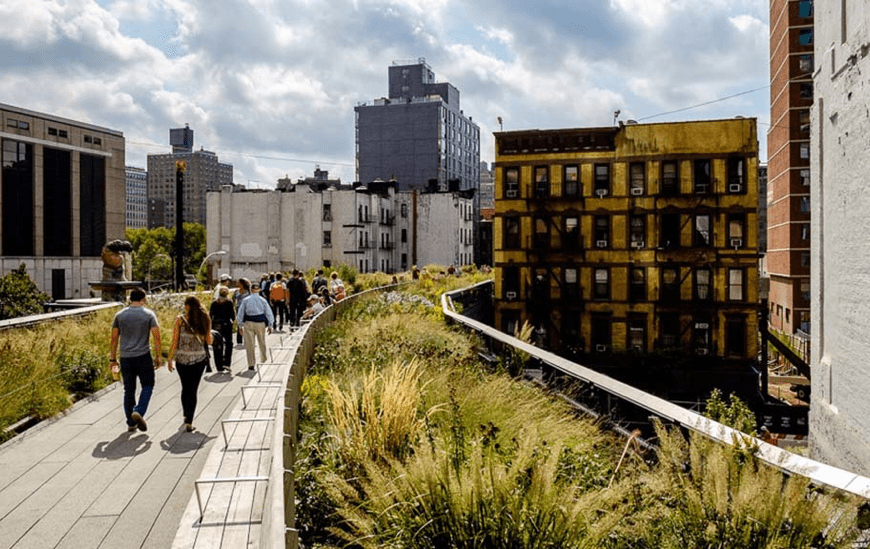
Using design and engineering, there are many ways that buildings, plantings, or other structures can absorb stormwater runoff, reduce the urban heat island effect, and improve air and water quality in a city. These practices are called green infrastructure (GI). GI can help cities save money and improve environmental quality for ecosystems and humans. Stormwater runoff, particularly in combined sewer system cities where runoff and … Continue reading Piecing the Fragments Together: Approaches to Green Infrastructure Implementation In Cities

Revisiting the Right to Housing
Canadian Prime Minister Justin Trudeau recently made headlines by declaring that “housing rights are human rights.” His statement came on the heels of the Liberal government’s unveiling of Canada’s National Housing Strategy, notable in its embrace of a rights-based approach to housing. Prior to last week’s announcement, Canada was the only major industrialized nation in the world to lack a nationally coordinated housing strategy.1 Canada’s … Continue reading Revisiting the Right to Housing
 Carolina Planning Journal