
An Ode to Planners without Bicycles
Editorial board member Katy Lang pens an ode to planners like her who defy the planning student stereotype and don’t have bicycles. Continue reading An Ode to Planners without Bicycles

Editorial board member Katy Lang pens an ode to planners like her who defy the planning student stereotype and don’t have bicycles. Continue reading An Ode to Planners without Bicycles
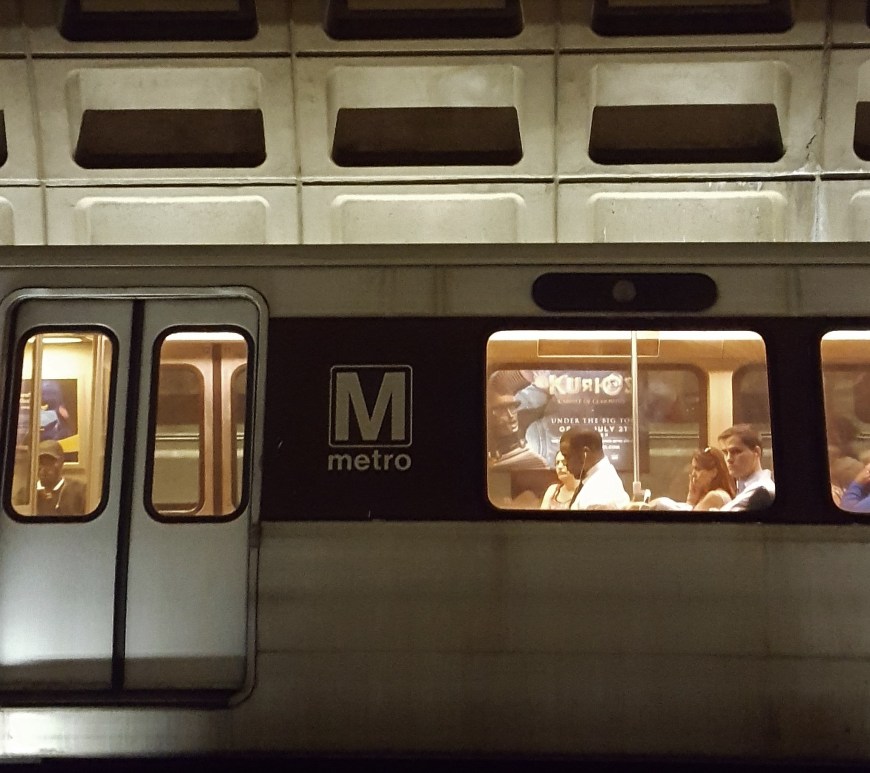
This post takes inspiration from Humans of New York to share some of the people we met at the Transportation Research Board conference in DC. Continue reading Humans of TRB: in the halls of America’s largest transportation conference
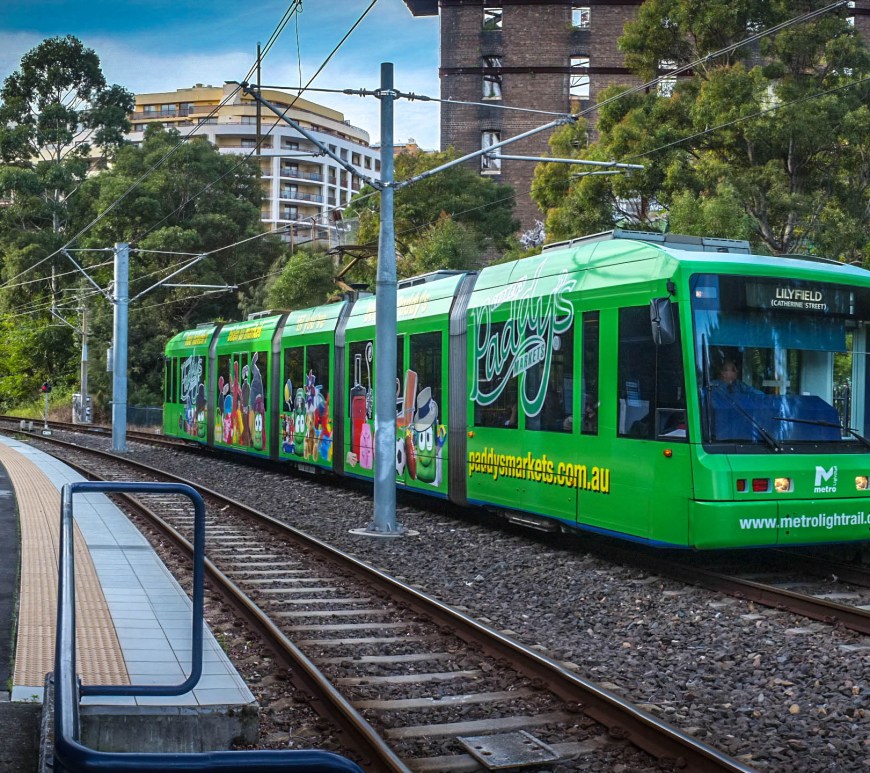
The Reality and Challenges of Demographic Shifts in America In her 1961 book “The Life and Death of Great American Cities,” Jane Jacobs prophesied that ignoring the importance of sidewalk life and perpetuating automobile dependency in urban planning would have dire social consequences. We have all heard the argument: without eyes on the street, the streets will inevitably become deserted, crime-ridden barrens. Of course, the … Continue reading America: The Aging, Diverging, and Urbanizing

Is a city with no serious accidents or fatalities from traffic collisions an achievable vision? In February 2015, Washington, D.C. Mayor Muriel Bowser launched the city’s Vision Zero Initiative. Its stated objective: “By the year 2024, Washington, DC will reach zero fatalities and serious injuries to travelers of our transportation system, through more effective use of data, education, enforcement, and engineering.” Having both lived and … Continue reading Viewpoints: Will Washington, D.C. Achieve Vision Zero?

Take a look at these two opening statements from Seattle and Cincinnati’s comprehensive plans: “Further growth will present challenges and opportunities similar to the ones we have faced in the recent past. The City has created this Plan as a guide to help it make decisions about managing growth equitably over the next twenty years.” —Seattle 2035 Comprehensive Plan “This is our vision to continue … Continue reading Injecting Social Marketing into Urban Planning

Each year, UNC Department of City and Regional Planning students have the opportunity to take a hands-on workshop course; the course is required for second year Master’s students. Workshops usually include client-facing work, collaborating with large teams on complex challenges taking place in a North Carolina community. This fall, the department organized two workshop courses: one focused on economic development, the other on transportation. Below … Continue reading Fall 2016 Workshop Review

Oh, Canada. The United States’ neighbor to the North seems to have public services down to a science. On a recent trip to Montréal, Quebec, my suspicions of superior public amenities were confirmed as seen in the city’s compact urban design and nearly flawless transportation infrastructure. Montréal and other Canadian cities embrace the principles of smart growth with dense urban centers and transit-oriented development, and this … Continue reading Envisioning an Active City: Lessons from Montréal

As you likely know, November 8 is Election Day in the United States. Voters will decide who will succeed President Obama and, with that decision, the policy direction for our nation over the next four years. As our nation’s largest cities continue to grow, federal policy, particularly in terms of housing and transportation, will play a significant role in shaping the evolution of our nation’s urban … Continue reading What this election means for planners

Supporting Physical Activity and Active Transportation in Rural Communities A version of this piece was originally published at the Safe Routes to School Partnership website. The majority of Americans live in urban or suburban areas, though around 15 percent of Americans live in nonmetropolitan regions, which make up 72 percent of US land. Although the proportion of Americans who are rural residents has recently declined, … Continue reading Bridging the Distance
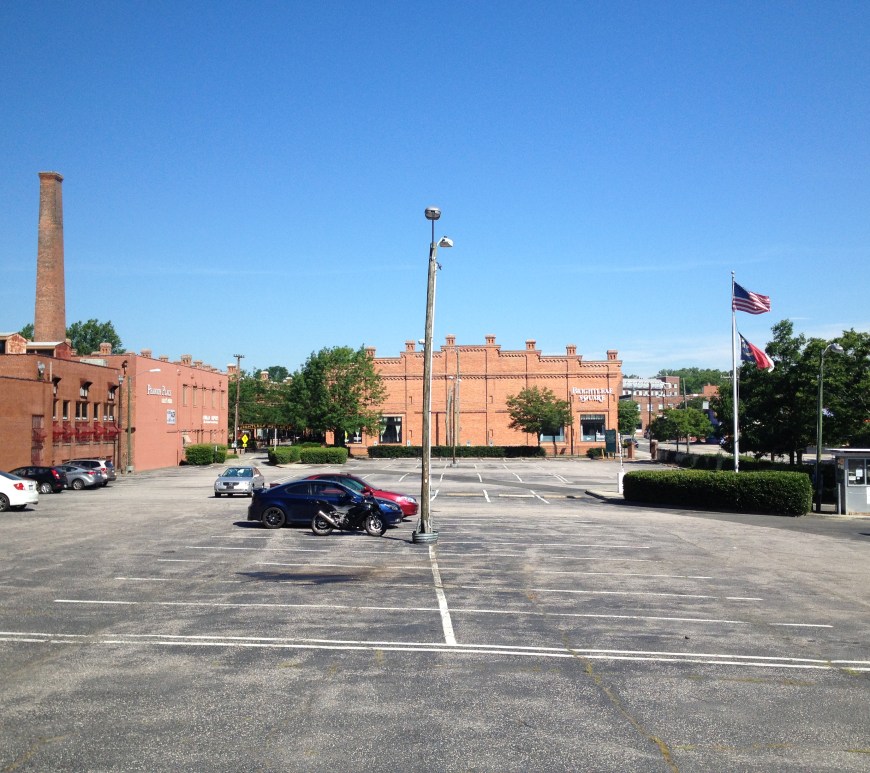
A version of the following piece was originally published in the Triangle-based Indy in response to an article about the downtown Durham parking “crisis”. The article mentions that the city of Durham will soon begin charging for on-street parking and that local leaders are debating whether to use two county-owned downtown parcels for parking or affordable housing. The assumption that plenty of parking should be … Continue reading Durham’s Crisis of Priorities: Parking and Housing

 Carolina Planning Journal