




Seems Like an Unsolvable Problem: A Loosely Hinged Recommendation for Tackling Bus Driver Shortages
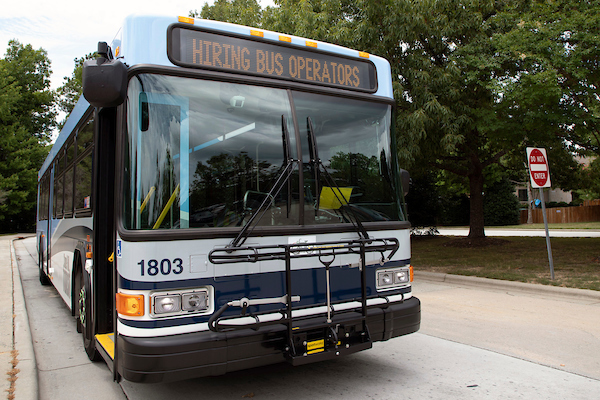
By James Hamilton This week Chapel Hill Transit celebrated Valentine’s Day by restoring several bus trips that had been removed at the beginning of the year.[i] Following an erratic Fall semester, the provider officially reduced its service in response to staff shortages. Beginning in January 2022, the A, CL, CM, CW, D, J, and N routes all had leaner schedules with the goal of “minimizing … Continue reading Seems Like an Unsolvable Problem: A Loosely Hinged Recommendation for Tackling Bus Driver Shortages

From the Archives: Saving Patients but Harming the Planet? Hospitals as Stewards of the Trash Crisis
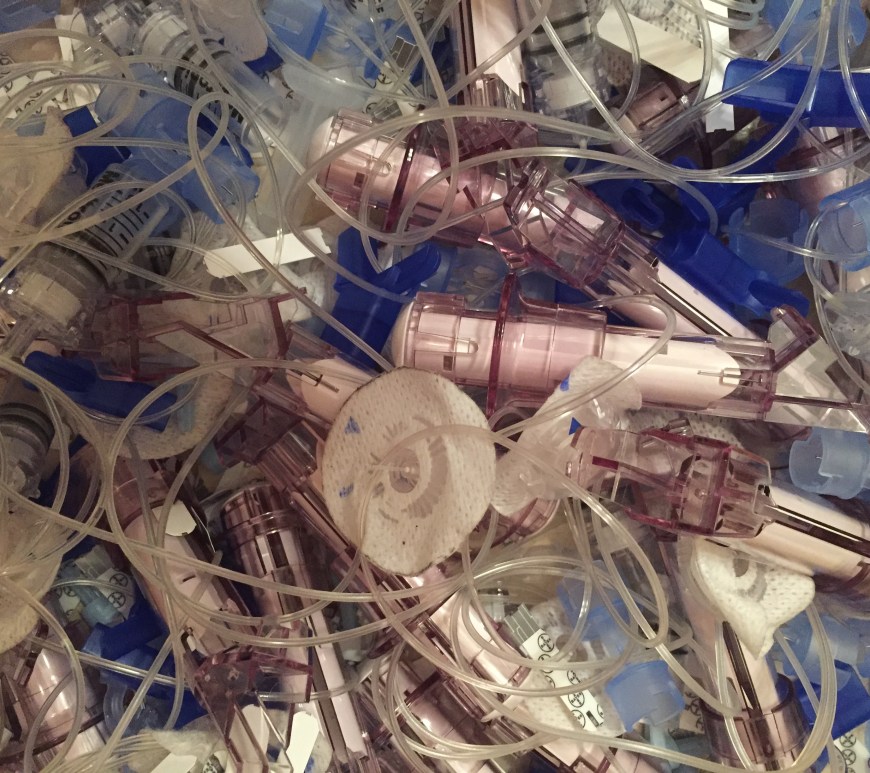
This post was originally published on December 3, 2019. As we enter year three of the COVID-19 pandemic, we reflect on another global consequence – mountains of waste. A July 2021 study by MIT found that the pandemic alone has generated 7,200 tons of medical waste every day, largely disposable masks. By Emily Gvino, MCRP/MPH ’21 According to the Environmental Protection Agency, Americans produce 25% … Continue reading From the Archives: Saving Patients but Harming the Planet? Hospitals as Stewards of the Trash Crisis

Missing the Train: Why Raleigh’s Lack of a Light Rail is Holding the City Back
By Ian Ramirez If you’re a vehicle owner and you’re reading this, I’m willing to bet you can think of a time or two in your life where you felt a real freedom attached to driving. However, I’d also wager that you don’t always love sitting in traffic when you’re already twenty minutes late to work. Recognizing the environmental and economic downturn that has been … Continue reading Missing the Train: Why Raleigh’s Lack of a Light Rail is Holding the City Back

Book Review from the Journal: Race After Technology, Ruha Benjamin
This week, we are featuring a book review from Volume 46 of the Carolina Planning Journal, The White Problem in Planning. Joungwon Kwon reflects on Ruha Benjamin’s Race After Technology: Abolitionist Tools for the New Jim Code. Book Review by Joungwon Kwon Ruha Benjamin’s Race After Technology: Abolitionist Tools for the New Jim Code offers past and current technology examples in our everyday life to … Continue reading Book Review from the Journal: Race After Technology, Ruha Benjamin

Happy New Year from the Carolina Planning Journal!
2021 was another busy year for The Carolina Planning Journal! We published Volume 46 of our print journal, “The White Planning in Planning”; were recognized by the Douglas Haskell Award for Student Journals; said goodbye to our outgoing editors and welcomed two new ones; highlighted impressive original research from our undergrads, Master’s students, PhDs, and alumni; revived our annual Winter Photo Contest (submissions due soon); and … Continue reading Happy New Year from the Carolina Planning Journal!

Announcing the Carolina Angles Winter Photo Contest
Do you have winter travel plans? Preparing for a holiday staycation? Either way, Carolina Angles invites you to participate in our Winter Photo Contest! We encourage UNC planning students, alumni, and all urban enthusiasts to enter. Photos will be judged based on aesthetics as well the articulated connection to planning. The photographer of the winning photo will receive: Recognition in the Carolina Planning Journal and … Continue reading Announcing the Carolina Angles Winter Photo Contest

From the Archives: Essential Urbanist Documentaries from the National Film Board of Canada
This post was originally published on April 2, 2019. With winter break right around the corner, we wanted to share some recommended Canadian urbanist films to entertain you in the coming weeks. By Adam Hasan, B.A. Geography ’19 The National Film Board of Canada–NFB (Office National du Film du Canada–ONF) was established as the National Film Commission in 1939 during the third government of Prime … Continue reading From the Archives: Essential Urbanist Documentaries from the National Film Board of Canada

Exclusionary Zoning in North Carolina
By Elijah Gullett This memo provides a brief summary of the history and background of zoning laws, both federally and within the state of North Carolina, as well as the impacts of NC’s current exclusionary zoning status quo on housing affordability, economic opportunity and development, racial and class disparities, as well as its environmental consequences. This memo also addresses counter arguments raised by proponents of … Continue reading Exclusionary Zoning in North Carolina

Thoughts from Abroad: A Reflection on Week 1 of the UN Conference of Parties (COP) 26
By Pierce Holloway, CPJ Editor-in-Chief From November 1st to the 6th I had the immense privilege of attending the first week of the United Nations Framework Convention on Climate Change (UNFCCC) 26th Conference of Parties (COP) meeting in Glasgow, Scotland. My time at COP26 was ripe with captivating juxtapositions, intriguing talks, and harsh reminders of climate impacts. I am thankful to have attended the conference. … Continue reading Thoughts from Abroad: A Reflection on Week 1 of the UN Conference of Parties (COP) 26
New Website Highlights Communities’ Perspectives on Urban Renewal
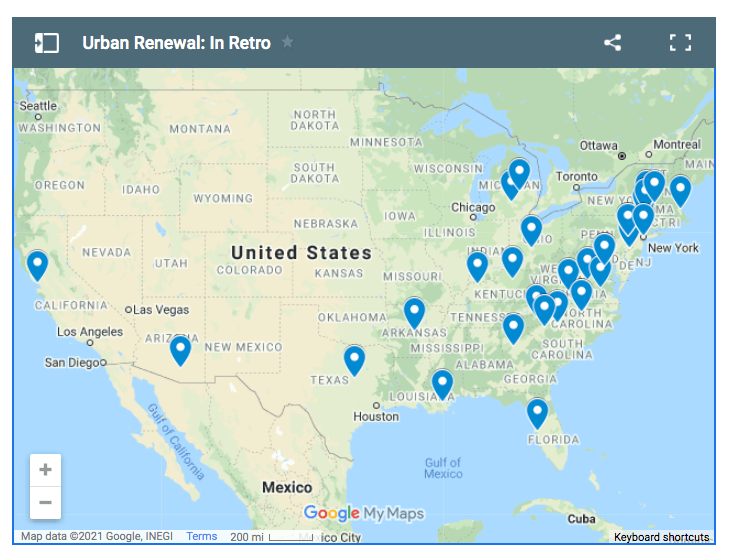
By Lindsay Oluyede Between 1955 and 1966, U.S. cities reported displacing approximately a third of a million families for urban renewal projects. As noted by researchers at the University of Richmond, their homes were razed to clear land for redevelopment that included “new, sometimes public housing, more often private, or for other purposes like the development of department stores or office buildings.”[i] The displaced families … Continue reading New Website Highlights Communities’ Perspectives on Urban Renewal
 Carolina Planning Journal