Thoughts on NC-APA: Perspectives from a first-timer 

By Joseph Womble In mid-October, I had the privilege of being able to attend the North Carolina chapter of the American Planning Association (NC-APA) conference along with planning practitioners from across the state of North Carolina and many of my fellow DCRP students. As first-year master’s students, NC-APA was our first major opportunity to attend a conference relevant to our coursework and planning more broadly.  … Continue reading Thoughts on NC-APA: Perspectives from a first-timer 

What’s so scary about kids on the street?

By Joe Wilson Lock the doors! Call the H.O.A.! It’s Halloween, the one night each year when we face the most terrifying objects of our imagination: Youth on the street.  There is indeed a certain, almost unnerving aptness to Halloween as the “scary” holiday. If you tossed just about every stereotypical suburban fear into a bubbling cauldron, you would probably end up with a potion … Continue reading What’s so scary about kids on the street?

Planning and the End of Chevron

By Nicholas Stover The Supreme Court of the United States (SCOTUS) recently overturned a decades old ruling known colloquially as the Chevron Deference. This decision resulted from a challenge by the organization Loper Bright Enterprises Inc., a group of commercial fishing interests. The case, Loper Bright Enterprises, et al. v. Gina Raimondo Secretary of Commerce et al., brought two questions: Does the Magnuson-Stevens Act authorize … Continue reading Planning and the End of Chevron

Series: Planning for 36 Hours in Dublin, Ireland

Planner’s Travel Series About the series: Welcome to our ongoing travel series. These are all posts written by planning students and professionals about what to do in a given city when looking for Brunch, a Brew, or a good idea on a Budget. To cap it all off, we include a fun planning fact! By Jo Kwon About the visit: At the beginning of this … Continue reading Series: Planning for 36 Hours in Dublin, Ireland

Angles of Reflection: Planning for the Phone Age

By Joe Wilson This week in Chapel Hill a new year began. Thousands of students converged upon UNC’s campus (a select few upon New East, home of Carolina Planning) to begin the annual academic cycle, just as they have in innumerable seasons past. For Angles, though, this year is a special one. It is the blog’s tenth anniversary, an occasion which we believe merits celebration … Continue reading Angles of Reflection: Planning for the Phone Age

Sticky post

Introducing Our New Editors

The days are long, cicadas loud, the DCRPeople scattered to jobs and internships and sunny vacations. Yes, it’s officially (according to the Registrar, at least) summertime! We wish to offer congratulations to all recent graduates, but especially to Candela Cerpa and Kathryn Cunningham. As Editor-in-Chief of the Carolina Planning Journal and Managing Editor of Angles, respectively, Candela and Kathryn have worked hard over the past … Continue reading Introducing Our New Editors

Revitalizing Midwest Cities: Turning Riverfronts into Catalysts for Urban Renewal

By Sawyer Husain Revitalizing Midwest Cities: Turning Riverfronts into Catalysts for Urban Renewal Midwestern cities, often lacking the natural allure of coastal landscapes like those in Seattle or Miami, face unique challenges in urban planning and revitalization. Without an ice-age on the calendar or a mass flooding event, Midwest cities are left to make do with the natural environments they have. So, what can they do? … Continue reading Revitalizing Midwest Cities: Turning Riverfronts into Catalysts for Urban Renewal

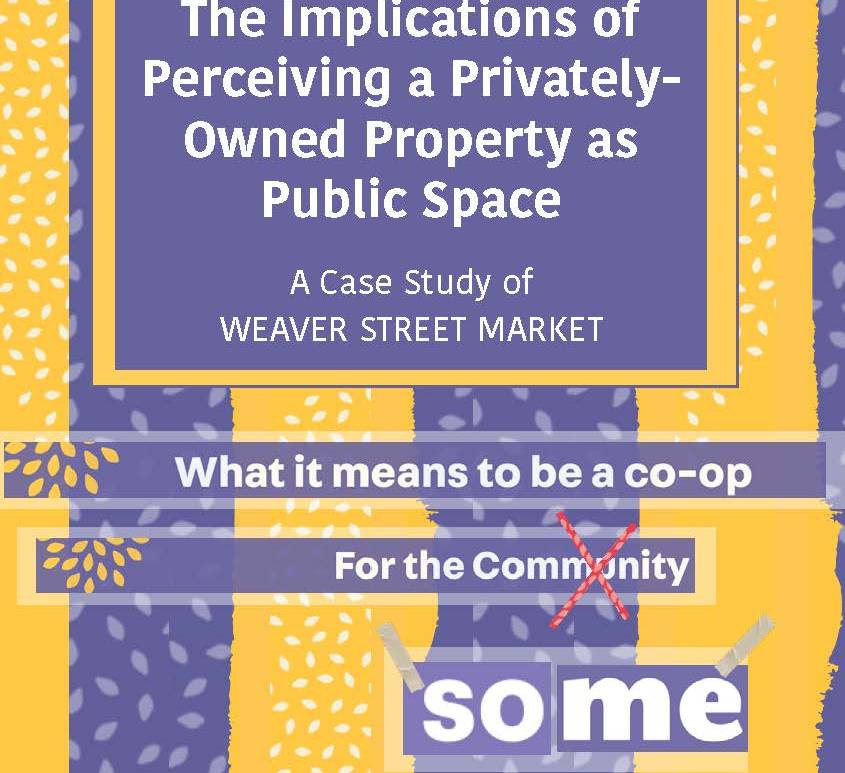
The Implications of Perceiving a Privately-Owned Property as Public Space

A Case Study of Weaver Street Market By Kathryn Cunningham In these turmoil times, we need to hold the things we love close to us. And we also need to hold them accountable. I love Weaver Street Market – its colorful chairs, proximity to good food and fun drinks, and overall mission. I am not alone in this feeling: Weaver Street Market’s lawn is a beloved … Continue reading The Implications of Perceiving a Privately-Owned Property as Public Space

Gentrification and Real Estate Capital: Understanding the Impact on Low Income Communities

By Nina Clark Introduction Capital injections by public and private investment to catalyze the revitalization of long neglected communities is often lauded as a process that saves struggling neighborhoods. Local politicians and development practitioners tout reductions in blight, improvement in infrastructure, high wage jobs, and increased amenities as clear indicators of a city’s success. Yet, for many low income communities, such changes bring about a type … Continue reading Gentrification and Real Estate Capital: Understanding the Impact on Low Income Communities

Part II: It’s in the Details

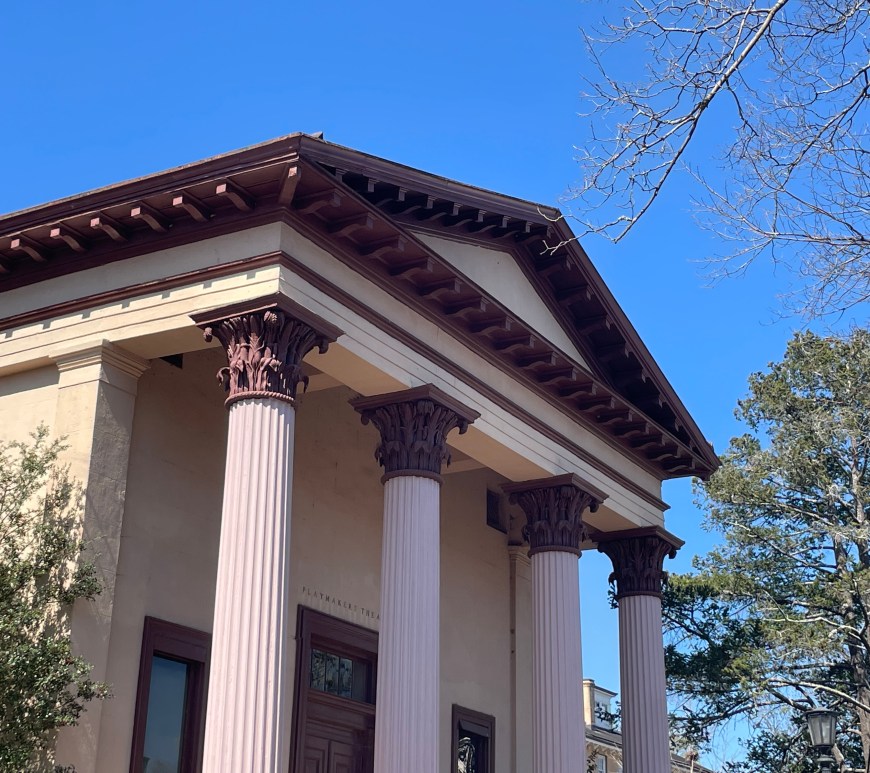
By Sam Hayes In my last blog post, I encouraged you to explore the hidden secrets of buildings by simply looking up. To continue on this path, I wanted to share a few details of other buildings across UNC’s campus, each harboring its own narrative etched in bricks and mortar.  You can tell a lot about a building by its brick. If you ever talk to … Continue reading Part II: It’s in the Details